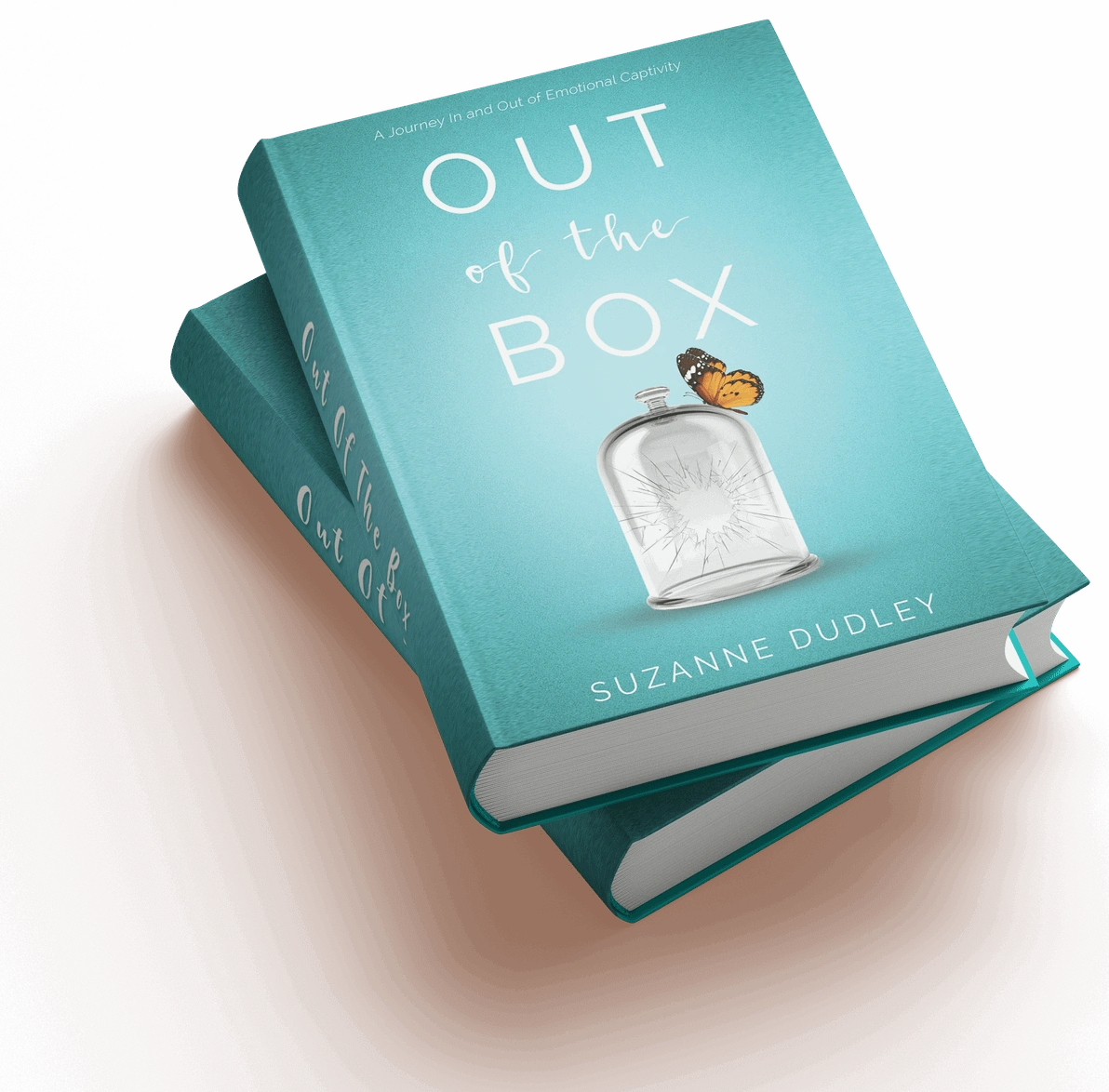
Developmental Editing vs. Copyediting: What Authors Need
Developmental editing strengthens structure and reader flow; copyediting focuses on clarity, consistency, grammar and usage at sentence level.
Read articleThoughtful, practical guidance on writing, editing, publishing, book marketing and author support.
Developmental editing strengthens structure and reader flow; copyediting focuses on clarity, consistency, grammar and usage at sentence level.
Read article
Real questions from intended readers can reveal chapter gaps and help nonfiction authors organize a book around the guidance people seek.
Read article
Personal stories become most useful when connected to context, reflection and a clear reason for sharing them with readers.
Read article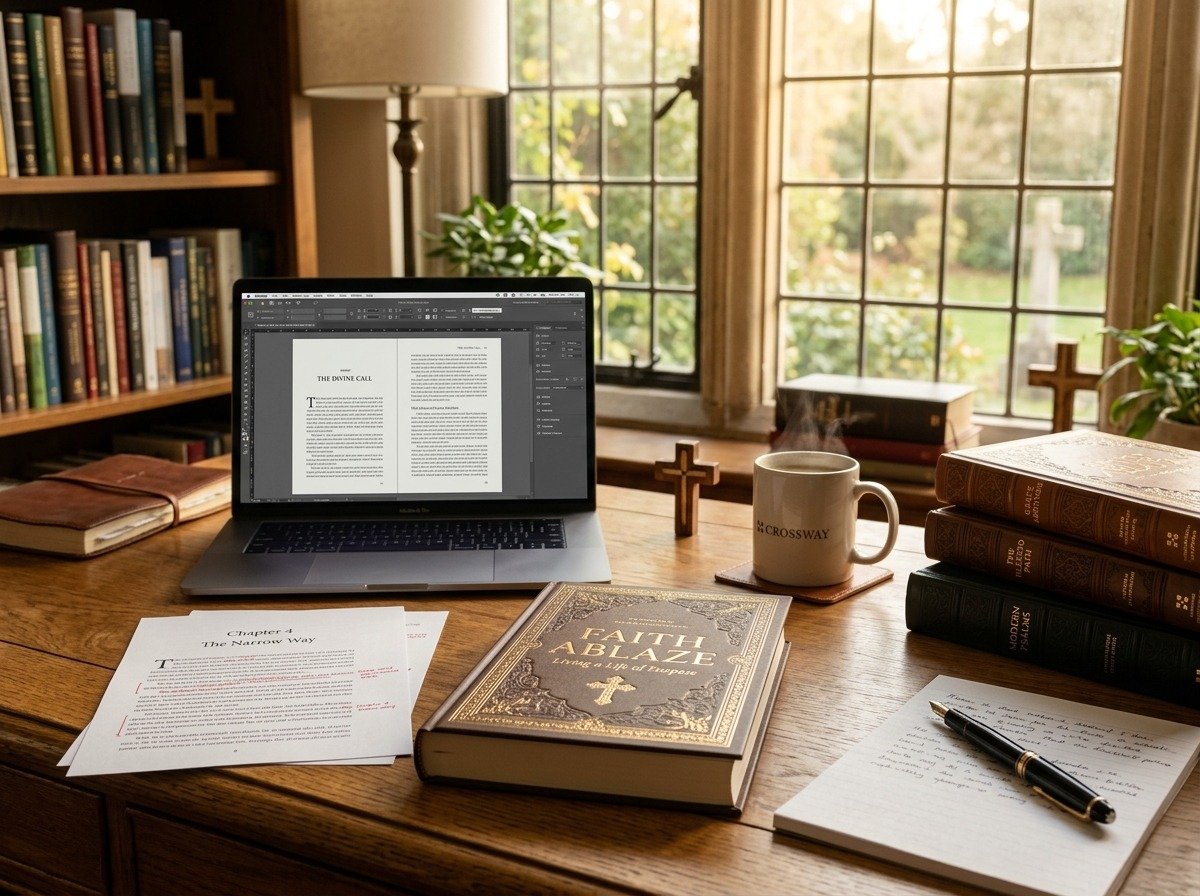
Early editorial guidance can clarify a book’s direction, while a complete draft gives editors enough material to assess structure and continuity.
Read article
A clear table of contents previews the book’s structure, uses consistent headings and helps readers find the material they need.
Read article
Thoughtful comparable titles help authors understand audience expectations, format and shelf positioning without copying another book.
Read article
Repetition, missing context and uneven pacing are normal in early drafts; a staged revision process helps authors fix structure before polishing sentences.
Read article
A concise editor brief shares the book’s goals, audience, style preferences and concerns before the first round of manuscript review.
Read article
Break a book project into visible milestones—from outline to proof review—so progress stays manageable and decisions happen in the right order.
Read article